CMLL Wrestling: Guide to Consejo Mundial de Lucha Libre
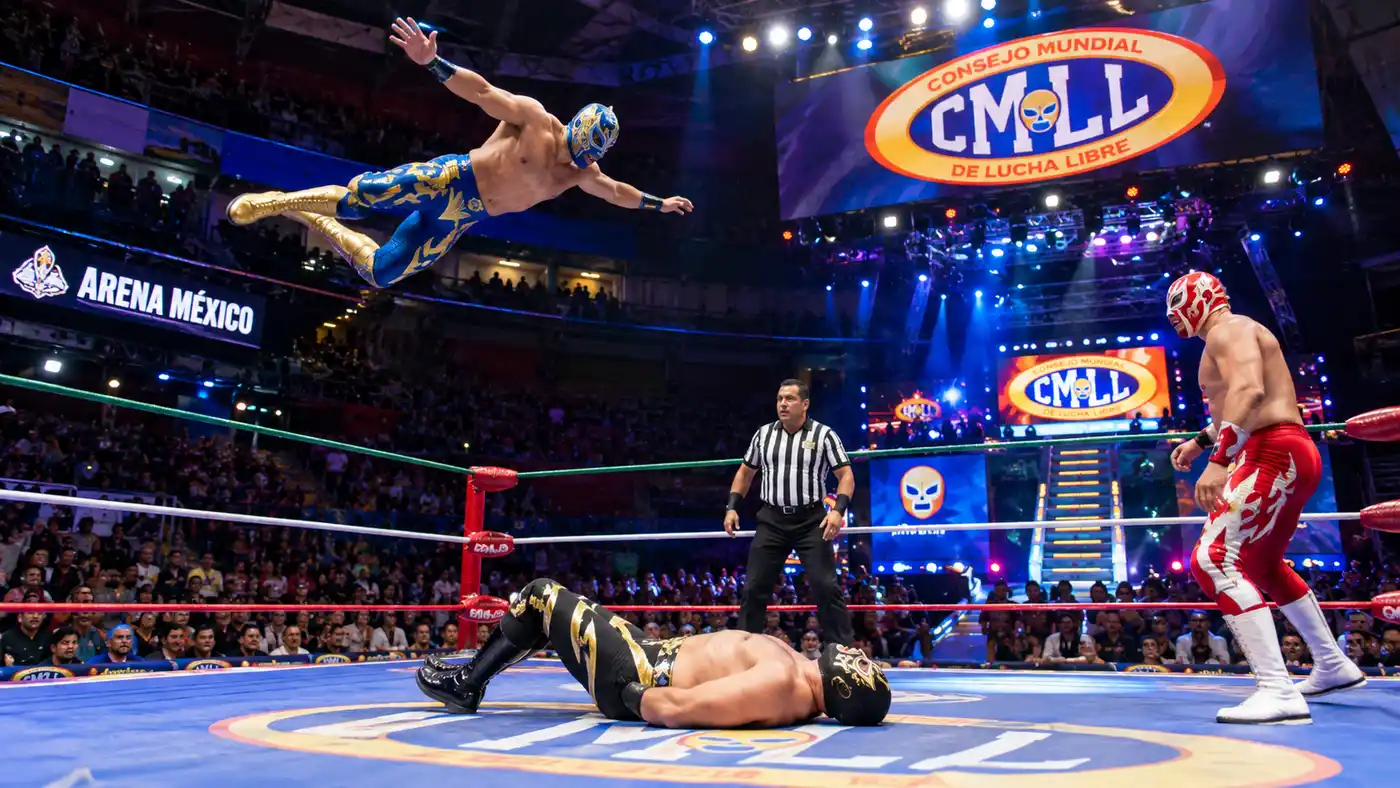
Step off Calle Dr. Lavista into the humid evening air outside Arena Mexico, and the first thing hitting your ears is not entrance music. It is a deafening wall of shouting vendors hawking hot tortas, bootleg foam masks, and roasted peanuts out of metal wheelbarrows. This roaring spectacle is the home turf of cmll wrestling, an institution that has staged weekly fights in the capital since 1933. Consejo Mundial de Lucha Libre is the oldest active professional wrestling promotion on the planet, yet sitting inside the arena feels less like visiting a quiet sports museum and more like joining an unruly block party where acrobats fly through the air every six minutes.
Most foreign travelers know about Mexican wrestling through cartoon stereotypes or Hollywood comedies. CMLL is something else entirely. It is traditional, ritualistic, strictly structured, and deeply tied to working-class family routines in Mexico City. Whether you are a hardcore combat sports nerd tracking moves on wrestling forums or just someone looking for an electric Friday night out with a liter of draft beer, this guide covers how the promotion works, which shows to pick, how to grab seats, and what to expect when the bell rings.
Book your lucha libre mexico city experience:
What is CMLL Wrestling?
Salvador Lutteroth Gonzalez founded the company in September 1933 under the name Empresa Mexicana de Lucha Libre. He rented an old, run-down boxing venue called Arena Modelo, drew around 5,000 curious spectators to the opening card, and set in motion a cultural phenomenon. Decades later, EMLL rebranded as Consejo Mundial de Lucha Libre, stamping its iconic, blocky green, white, and red logo onto television broadcasts and marquee posters across the country. If you want to understand the deep roots behind it all, check out the history of Mexican wrestling, which details how Lutteroth built an entertainment empire during the golden age of cinema.
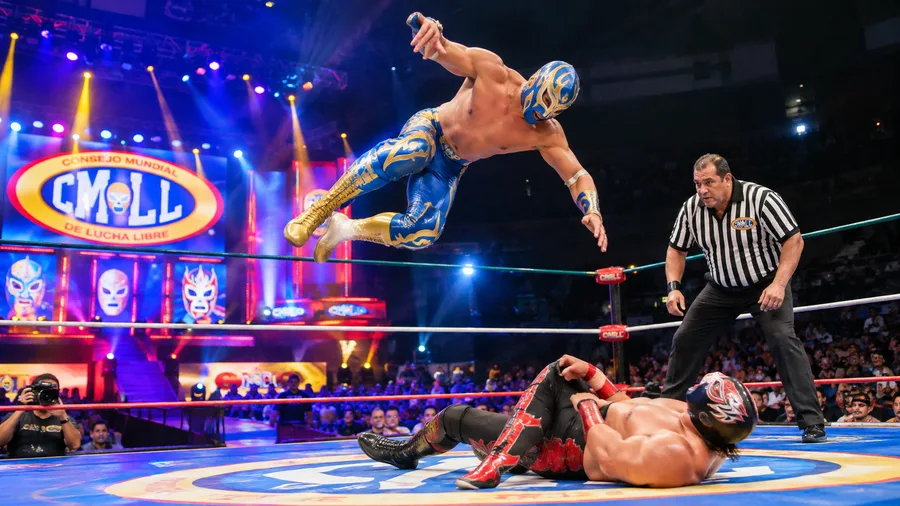
Compared to other lucha libre promotions, CMLL is the conservative, purist big brother. Its biggest domestic rival, Lucha Libre AAA Worldwide, leans heavily into American-style drama, weapons, celebrity cameos, and chaotic backstage storylines. CMLL stays stubborn. Matches here prioritize mat technique, classic holds known as llaves, clean high-flying maneuvers, and time-honored ring etiquette. You will almost never see tables, folding chairs, or barbed wire in a CMLL ring. Instead, you get three-fall team matches, crisp armdrags, and aerial dives executed with frightening precision.
The promotion maintains partnerships across the wrestling world, regularly trading talent with New Japan Pro-Wrestling and All Elite Wrestling. Die-hard fans who spend hours scrolling match databases and review boards like CMLL Cagematch know that when top stars visit Japan or the United States, they bring a stiff, lightning-fast pacing refined across decades in Mexico City. It is traditional, but it is certainly not slow.
The Temples: CMLL Arena Mexico and Arena Coliseo
CMLL operates its own arenas, which is a rarity in modern sports. The undisputed crown jewel is Arena Mexico, located in Colonia Doctores. Built in 1956 on the site of the old Arena Modelo, this colossal concrete bowl holds over 16,000 spectators and carries the nickname "The Cathedral of Lucha Libre." On Friday nights, the energy in Doctores shifts completely as thousands stream past the bright marquee lights. For a deep dive into navigating the building, our guide to Arena Mexico covers gates, best seating sections, and logistics.
Arena Coliseo is the older, grittier sibling. Tucked away on Calle Republica de Peru in the historic center, this circular arena opened its doors in 1943. Fans call it "El Embudo" - the Funnel - because the steep, rounded balconies look down onto the canvas like a Roman colosseum. The acoustics inside Coliseo are wild. Stomps echo off the concrete dome, and vulgar chants directed at the heels bounce around with shocking clarity. CMLL runs Coliseo primarily on Saturday nights, offering an intimate, vintage experience that feels largely unchanged since the 1960s.
Note: Arena Mexico is in Colonia Doctores, which can get dicey late at night away from the main arena doors. Stick to the well-lit paths along Dr. Lavista toward Avenida Cuauhtemoc or call an Uber directly to the venue gates instead of wandering deep into residential side streets after dark.
Both buildings feature the recognizable CMLL ring, surrounded by the glamorous promotional models known as edecanes CMLL, who introduce each competitor during big television cards. While the glitz has grown over the years, the venue staff, the grumpy ticket-takers, and the vendors balancing trays of potato chips on their heads keep the atmosphere grounded in working-class Mexico.
The CMLL Roster, Wrestlers, and Championships
The Consejo Mundial de Lucha Libre roster is organized under a strict hierarchy. New trainees spend years grinding through preliminary afternoon matches before sniffing a televised card. Matches pit tecnicos (the heroic good guys who follow the rules) against rudos (the rule-breakers who gouge eyes, pull masks, and taunt the crowd). It is simple moral storytelling, and the crowd plays along with furious energy.
CMLL championships span multiple weight classes, from World Heavyweight down to Welterweight, along with Historic belts inherited from the defunct NWA. Belts matter here, but they are not the true pinnacle of the sport. The highest stakes in CMLL belong to Lucha de Apuestas - wager matches where competitors put their masks or hair on the line. Losing your mask ends an identity, forcing the wrestler to reveal their birth name, age, and hometown in the center of the ring. Every September, the CMLL Aniversario show packs Arena Mexico to the ceiling, usually headlining with a mask-versus-mask or hair-versus-hair showdown that caps off months of bitter blood feuds.
Here are several key stars currently defining the CMLL roster:
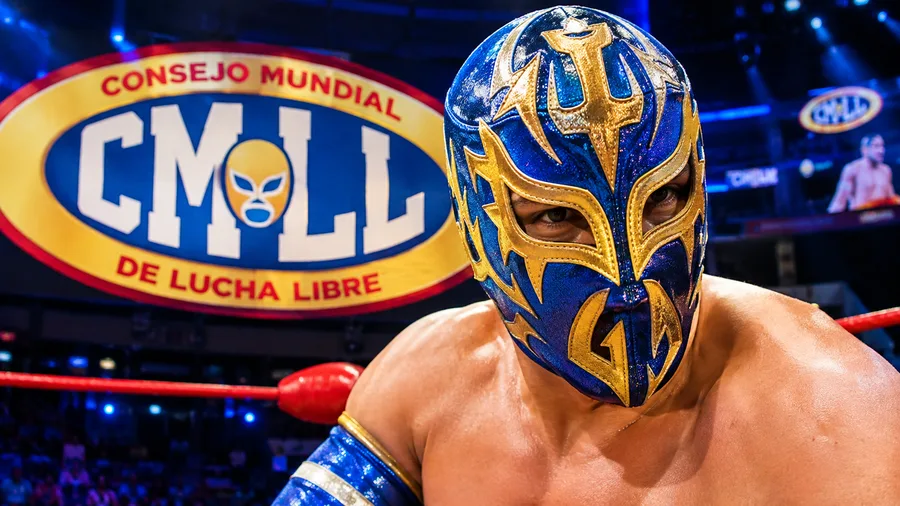
- Mistico: The undisputed pop-culture face of modern lucha libre, instantly recognizable by his shimmering silver and gold mask, unmatched agility, and iconic crucifix armbar finish.
- Volador Jr.: A multi-generational aerial master whose crisp kicks and graceful top-rope dives make him a staple headliner on Friday Super Viernes broadcasts.
- Titan: A masked sensation who blends high-flying daredevil spots with brutal, stiff kicks honed during his regular tours with New Japan Pro-Wrestling.
- Hechicero: A technical wizard whose mesmerizing ground submissions, twisting escapes, and dramatic ring entrances have earned him a cult following among wrestling purists worldwide.
- Atlantis Jr.: Son of one of the greatest legends in Mexican history, carrying the historic blue mask into a new era against younger, ruthless opposition.
- Zeuxis and Lluvia: Pillars of the women's division, delivering fast, hard-hitting matches that frequently steal the entire show from the men.
You might also catch brief appearances by Kemalito and KeMonito, the tiny, costumed mascots who accompany wrestlers to the ring. Watching a giant rudo boot a small furry mascot halfway across the floor is an absurd, quintessential CMLL tradition that never fails to whip the crowd into a frenzy.
Book your lucha libre mexico city experience:
CMLL Tickets, Schedule, and the Cartelera
Figuring out the weekly CMLL schedule is straightforward once you memorize the regular routine. Shows happen multiple days per week across Mexico City, Puebla, and Guadalajara. In the capital, Friday night at Arena Mexico is the flagship card, featuring top-tier title bouts, feud blowoffs, and television tapings. Tuesday nights at Arena Mexico are known as Martes Populares, offering cheaper admission, relaxed crowds, and plenty of local families bringing small children.
Pro tip: Skip third-party resale sites entirely. Buy your seats directly at the Arena Mexico taquilla (box office) on the afternoon of the show to save on ticket agency convenience fees, or buy online through Ticketmaster Mexico if you want ringside seats for a Friday Super Viernes.
To see who is fighting on any given night, look up the cartelera Consejo Mundial de Lucha Libre on their official social accounts or outside the venue gates. The cartelera is the printed fight poster listing the six scheduled bouts, usually arranged from junior opening tags up to the three-fall lucha estelar main event. Seeing the physical cartelera pasted on the concrete pillars of the arena is part of the charm.
| Show / Day | Venue | Start Time | Atmosphere | Price Range (MXN) |
|---|---|---|---|---|
| Super Viernes (Friday) | Arena Mexico | 8:30 PM | Loud, packed, major stars, TV cameras | $150 - $650 |
| Sabado de Coliseo (Saturday) | Arena Coliseo | 7:30 PM | Raw, historic, intimate, rowdy bleachers | $100 - $400 |
| Domingo Familiar (Sunday) | Arena Mexico | 5:00 PM | Family-friendly, relaxed, kids in masks | $80 - $350 |
| Martes de Arena Mexico (Tuesday) | Arena Mexico | 7:30 PM | Casual, local, great value, young talent | $75 - $300 |
Buying CMLL boletos at the ticket booth is simple even if your Spanish is rusty. Just step up to the window, tell the clerk how many tickets you want, and point to the seating map. Balcony seats (gradas) cost as little as 100 pesos, but shelling out 350 to 500 pesos for preferred lower-bowl seating (preferente or ring numerado) gives you a great view without dodging rogue wrestling boots in the front rows.
How to Watch CMLL and Follow Results
If you cannot make it to Mexico City this month, figuring out where to watch CMLL events online used to be a frustrating game of tracking down grainy television rips. Things are much easier now. The promotion broadcasts several weekly shows on their official YouTube channel, offering live streams and full-card replays through tiered monthly channel memberships. Paying a few dollars a month gives international fans access to Friday Super Viernes streams, complete with classic Spanish commentary and ringside interviews.
CMLL news and CMLL results drop rapidly across wrestling social media right after cards finish around 11:00 PM local time. Keep an eye out for news surrounding the CMLL 92. Aniversario, which will take center stage at Arena Mexico with massive title defenses and mask matches. Between major pay-per-views, you can watch CMLL matches uploaded for free on Mexican broadcast networks like Televisa or localized sports channels, although YouTube remains the most reliable streaming platform for viewers abroad.
Here is how you can easily stay updated on cards, results, and broadcasts from home:
- Official YouTube Channel: The primary hub for weekly match uploads, press conferences, and live Super Viernes shows via paid channel membership.
- CMLL Official Socials: The quickest place to view the weekly cartelera posters, injury updates, and official match results every Friday midnight.
- NJPW World: Streaming home for the annual Fantasticamania joint tour, where CMLL luchadores travel to Japan every February for sold-out cards.
- Wrestling Data Hubs: Sites like Cagematch provide comprehensive historical records, win-loss statistics, and community match ratings for nearly every CMLL bout ever recorded.
Frequently Asked Questions about cmll wrestling
What is the difference between CMLL and AAA?
CMLL focuses on traditional, technical wrestling, three-fall tag matches, and strict ring etiquette. AAA features aggressive, American-style sports entertainment, weapons, cage matches, and elaborate backstage drama.
Can I bring a camera to Arena Mexico?
Arena security bans professional cameras with detachable lenses, along with selfie sticks and large backpacks. You can freely use your smartphone to snap photos and take short videos from your seat.
Are CMLL wrestling shows safe for kids?
Yes. Sunday afternoons (Domingo Familiar) and Tuesday nights are full of local families with young children wearing superhero capes and wrestling masks. The atmosphere is loud but welcoming.
Quick Reference
- Founded: September 1933 by Salvador Lutteroth
- Main Arena: Arena Mexico (Colonia Doctores, Mexico City)
- Flagship Night: Friday Super Viernes at 8:30 PM
- Key Annual Event: Aniversario every September
Book your lucha libre mexico city experience:
The Bottom Line
You can read about the history and study the match tapes all you want, but nothing prepares you for the live sensory assault of a CMLL show. Sitting in the mezzanine at Arena Mexico with a plastic cup of draft beer, smelling roasted chile seeds from the concourse, and joining 14,000 strangers screaming insults at a rudo referee is an unforgettable Mexican experience. Pick an upcoming Friday, buy a colorful mask outside the turnstiles for 100 pesos, and let yourself get lost in the finest spectacle Mexico City has to offer.
Read more about lucha libre mexico city.